
Researchers from the Institut Pasteur de São Paulo contributed to the analysis of the immune response.
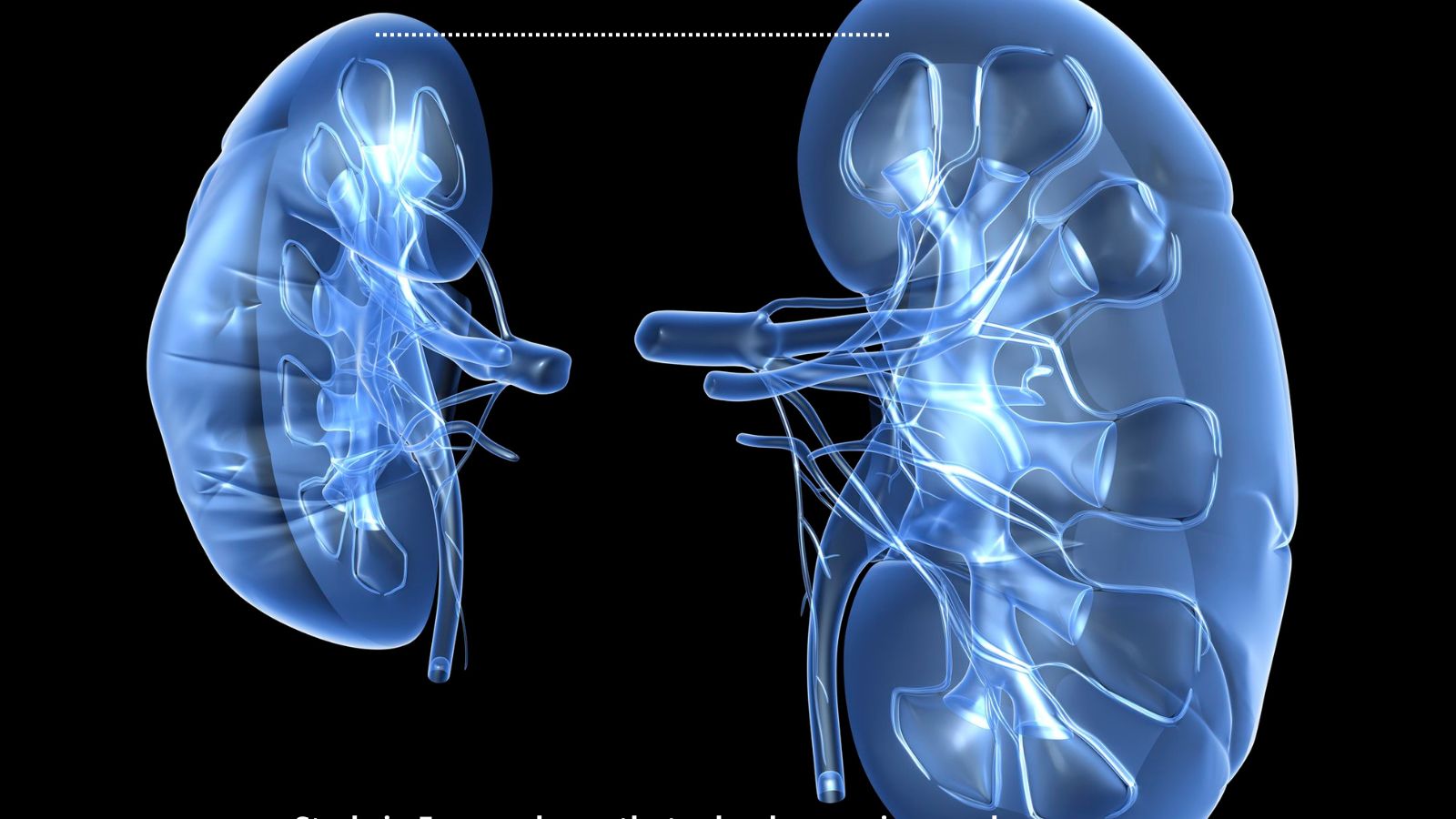
An international study published in the journal Nature Medicine has described, in unprecedented detail, how the human immune system reacts to the transplantation of a genetically modified pig kidney in a living patient. The research represents a significant advance in xenotransplantation — a procedure that relies on animal organs to address the shortage of human donations. Researchers from the Institut Pasteur de São Paulo (IPSP) also took part in the project.
The study analyzed the case of a 62-year-old man with end-stage renal disease, who underwent transplantation in March 2024 at Massachusetts General Hospital, affiliated with Harvard Medical School, in the United States. Although the graft initially worked and early rejection was controlled with medication, the study showed that inflammation in the body persisted, even with the intensive use of immunosuppressants.
The researchers found that focusing solely on the so-called adaptive immunity — associated with T and B cells, traditional targets of post-transplant therapies — is not enough. It is also necessary to pay close attention to the innate immunity, the body’s first line of defense, which involves cells such as monocytes and macrophages.
“Xenotransplantation has been studied for a couple of years, but this was the first study in a living patient that allowed us to understand, in detail, the immunological mechanisms behind the transplant,” explains Helder Nakaya, coordinator of the Integrative Biology research group at IPSP, researcher at the Albert Einstein Israelite Hospital and professor at the Faculty of Pharmaceutical Sciences at USP.
Contribution of IPSP and integrative biology
IPSP played a key role in the integrated analysis of complex biological data collected during the patient’s follow-up. Among the authors is André F. Cunha, a researcher at the Institut Pasteur de São Paulo who received institutional funding from IPSP and was supervised by Nakaya.
“The study demonstrated that a multi-omics analysis — integrating transcriptomics, proteomics, and metabolomics data — provides insights beyond those of traditional methods,” says Nakaya. “Markers of rejection in the blood appeared to be controlled, but T cells infiltrated the graft and a strong innate immune response occurred”.
According to Nakaya, current transplant treatments focus almost exclusively on adaptive immunity. “The paper showed that we cannot neglect the innate immune response,” he emphasizes.
Pig DNA in the blood as a warning sign
Researchers also used circulating fragments of pig DNA in the patient’s blood as a tool to screen the graft. When the immune system attacks the transplanted organ, kidney cells release pig DNA, which can be detected in blood tests.
“It’s a less invasive way to screen whether the graft is being attacked or not,” explains Nakaya. “This can reduce biopsies and allow for more precise screening of the transplant.”
International Cooperation
This research stems from an international collaboration led by Brazilian scientists like Leonardo V. Riella and Thiago J. Borges, who are based in the United States, working together with Brazilian institutions. The study stresses the role of systems biology and the integration of large volumes of data to understand complex phenomena in human immunology.
“At IPSP, our expertise helped integrate the data and understand what was happening in this patient’s immune response,” summarizes Nakaya.
The results indicate that, for xenotransplantation to become a safe and lasting clinical option, it will be necessary to develop new therapeutic strategies that control not only classic rejection, but also the persistent inflammation mediated by innate immunity.